
 Image 1 of 3
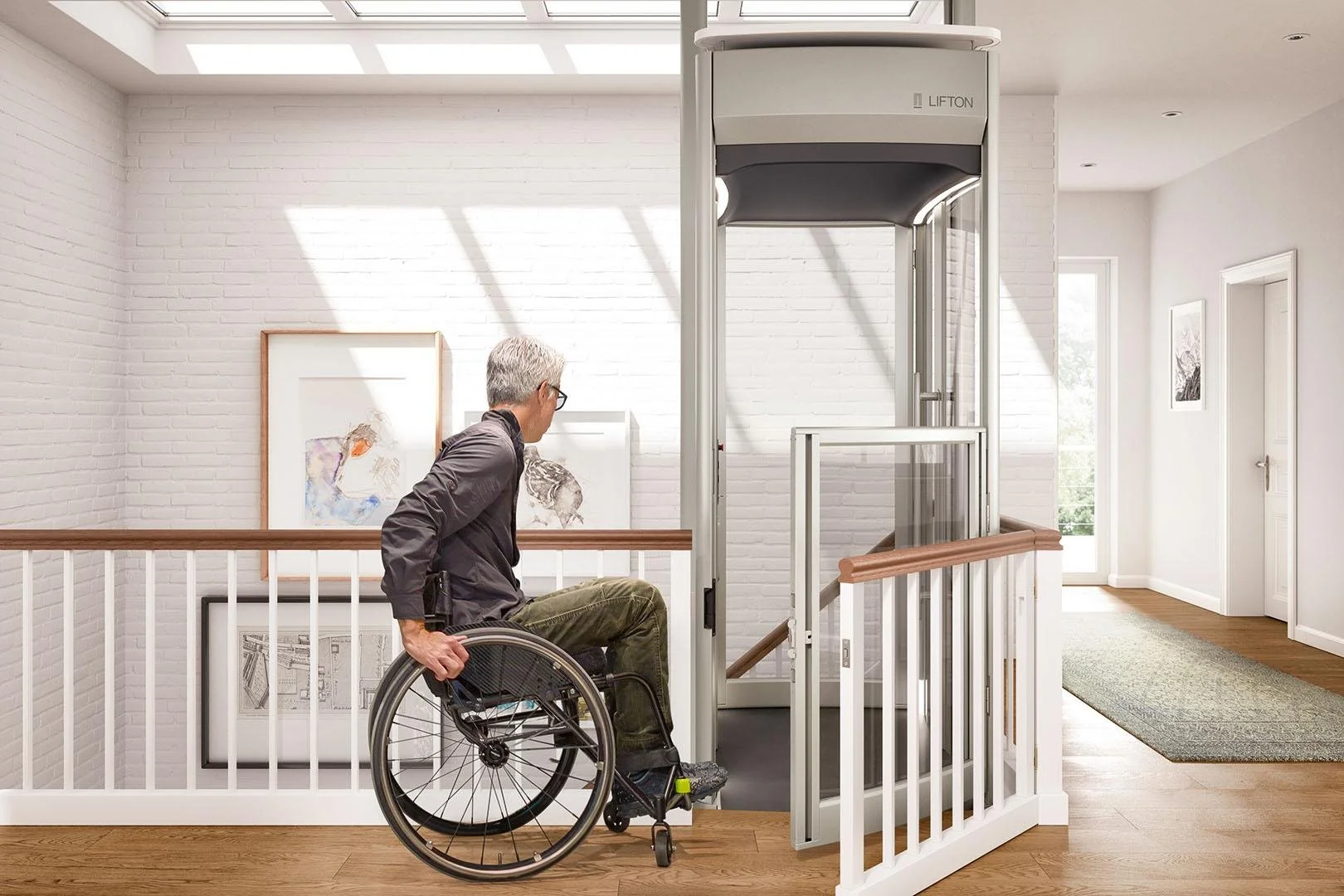 Image 2 of 3
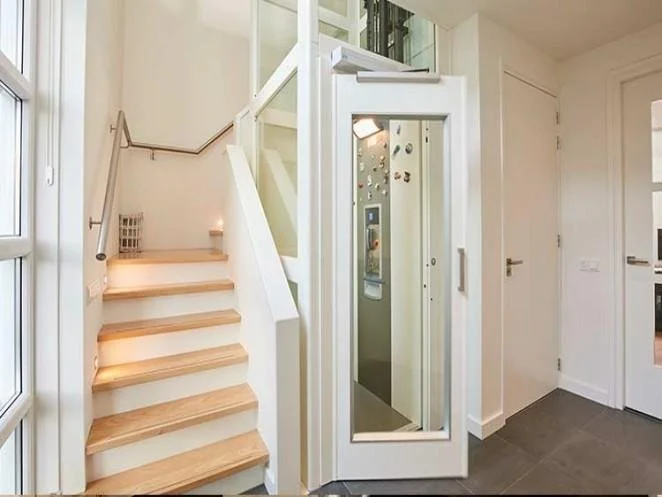 Image 3 of 3
A residential elevator (or home elevator) is a lift installed in a private home to transport people and light items between floors. It is designed for convenience, safety, and accessibility in multi-story homes.
Improves accessibility for elderly people, individuals with disabilities, and those with limited mobility.
Enhances safety by reducing the risk of falls on stairs.
Increases convenience when moving groceries, luggage, laundry, or heavy items.
Supports aging in place, allowing homeowners to remain in their homes comfortably as they grow older.
Adds value and luxury to the property, making it more attractive to potential buyers.
Residential elevators come in various types, including hydraulic, traction, vacuum, and screw-driven systems, and can often be customized to match the home's design. They are a practical investment for improving comfort, independence, and long-term usability of a home.
A residential elevator (or home elevator) is a lift installed in a private home to transport people and light items between floors. It is designed for convenience, safety, and accessibility in multi-story homes.
Improves accessibility for elderly people, individuals with disabilities, and those with limited mobility.
Enhances safety by reducing the risk of falls on stairs.
Increases convenience when moving groceries, luggage, laundry, or heavy items.
Supports aging in place, allowing homeowners to remain in their homes comfortably as they grow older.
Adds value and luxury to the property, making it more attractive to potential buyers.
Residential elevators come in various types, including hydraulic, traction, vacuum, and screw-driven systems, and can often be customized to match the home's design. They are a practical investment for improving comfort, independence, and long-term usability of a home.