
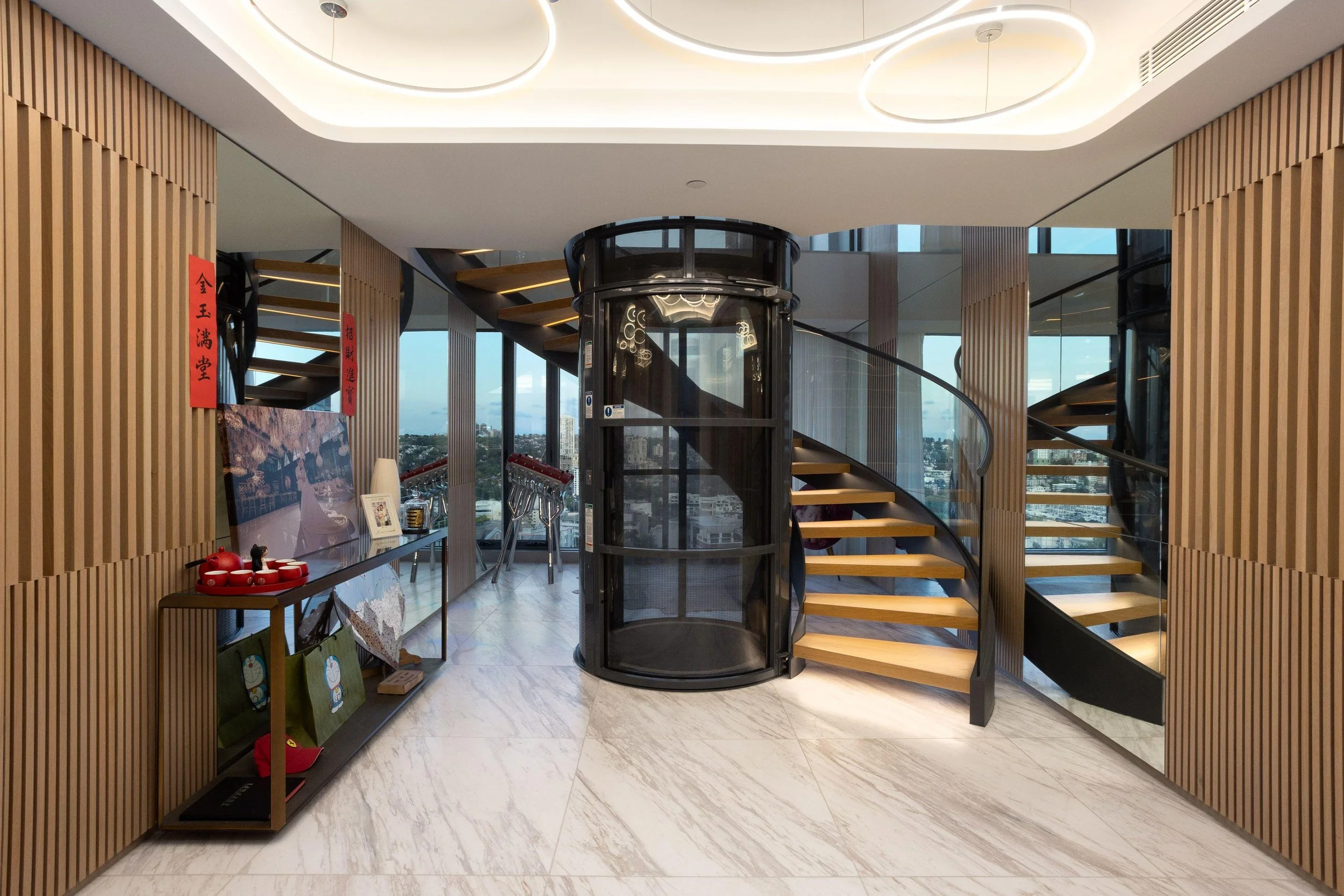
Featured Equipment and Materials

A residential elevator (or home elevator) is a lift installed in a private home to transport people and light items between floors. It is designed for convenience, safety, and accessibility in multi-story homes.
Key Benefits
Improves accessibility for elderly people, individuals with disabilities, and those with limited mobility.
Enhances safety by reducing the risk of falls on stairs.
Increases convenience when moving groceries, luggage, laundry, or heavy items.
Supports aging in place, allowing homeowners to remain in their homes comfortably as they grow older.
Adds value and luxury to the property, making it more attractive to potential buyers.
Residential elevators come in various types, including hydraulic, traction, vacuum, and screw-driven systems, and can often be customized to match the home's design. They are a practical investment for improving comfort, independence, and long-term usability of a home.

A private elevator is a lift designed for the exclusive use of a specific person, family, or organization. It is commonly installed in luxury homes, penthouses, executive offices, and other properties where privacy and controlled access are important.
Key Benefits
Provides privacy by offering exclusive access.
Improves accessibility for elderly individuals and people with mobility challenges.
Enhances convenience by enabling quick movement between floors.
Increases security through access control systems such as key cards, PINs, or biometric authentication.
Adds value and luxury to the property.
Makes transporting heavy items between floors easier.
Overall, a private elevator enhances comfort, safety, security, and property value while providing exclusive and convenient access within a building.
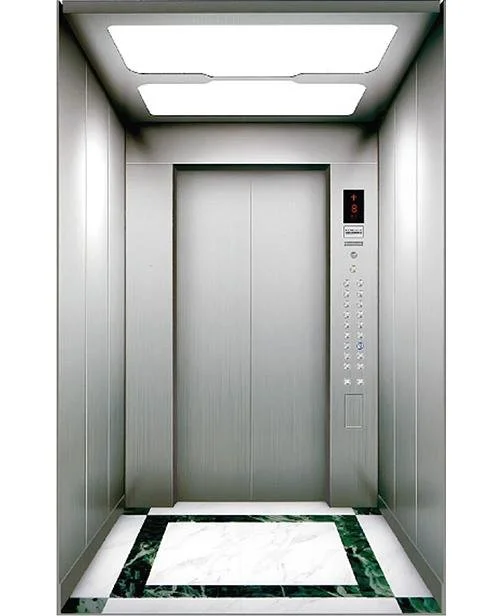
A commercial elevator is a lift designed to transport people and goods in commercial, public, and industrial buildings such as offices, shopping malls, hotels, hospitals, and schools. It is built to handle high passenger traffic, frequent use, and heavier loads than residential elevators.
Key Benefits
Improves efficiency by enabling fast movement between floors.
Enhances accessibility for people with disabilities and limited mobility.
Supports heavy loads, including passengers, goods, and equipment.
Increases safety with advanced safety features and reliable operation.
Boosts productivity by improving the flow of people and materials.
Adds value to commercial properties and improves the experience for customers, visitors, and employees.
Overall, commercial elevators are essential for ensuring safe, efficient, and convenient vertical transportation in busy buildings.
Comprehensive Field Services
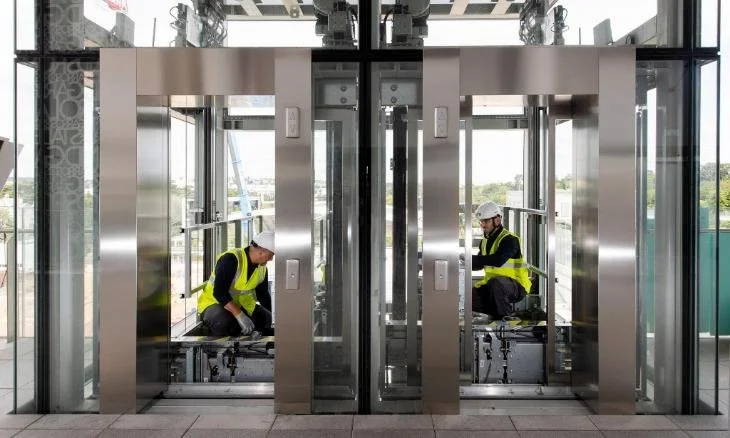
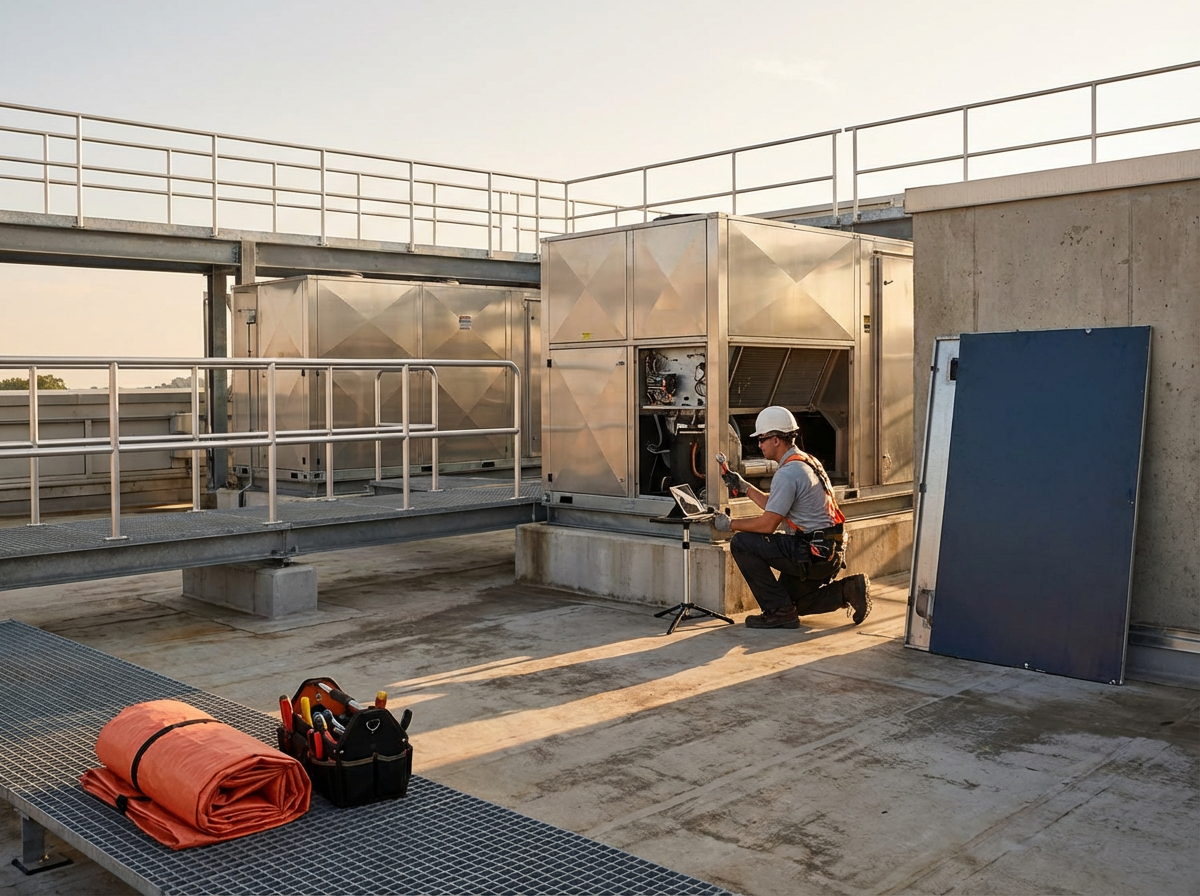
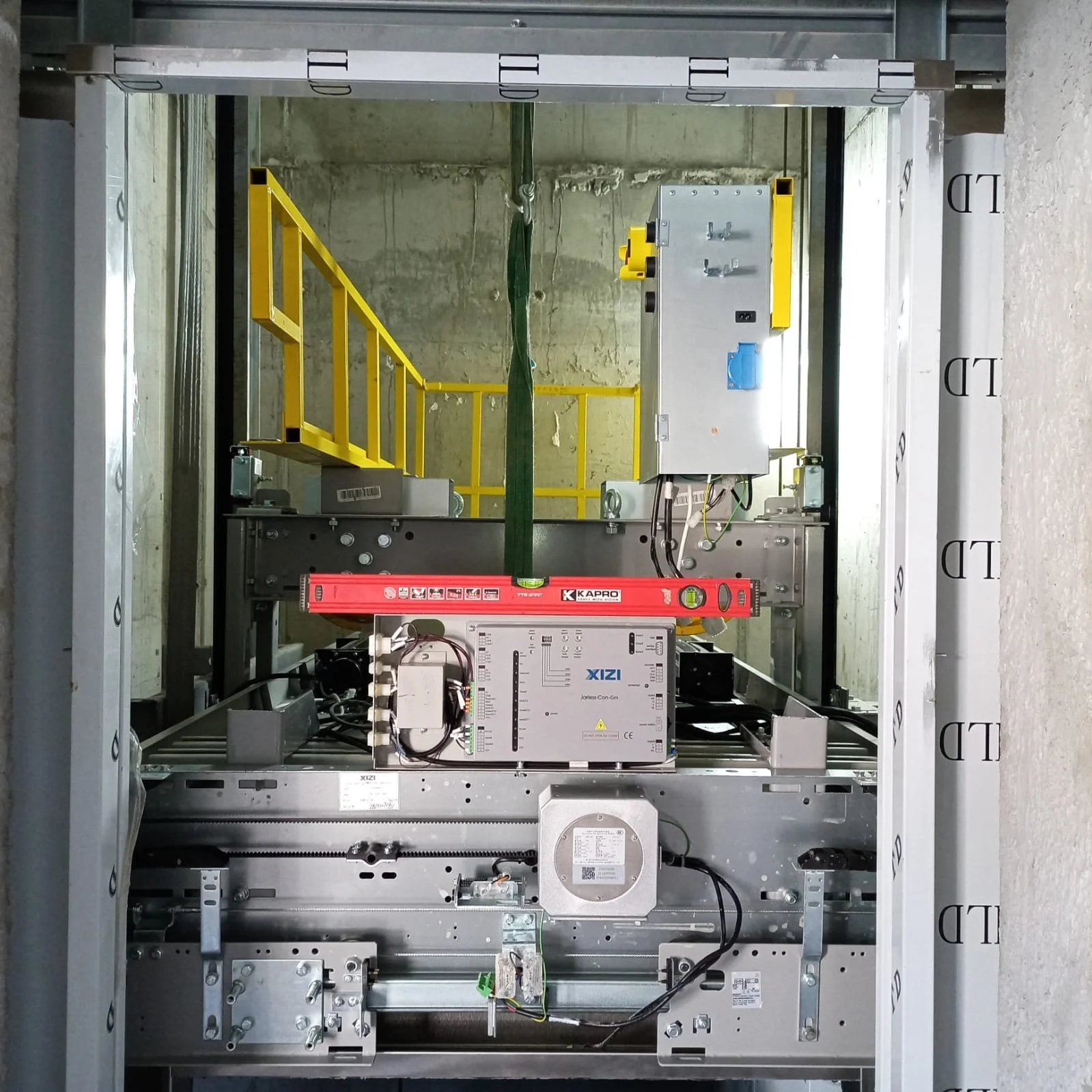
Regular inspections, lubrication, adjustments, and replacement of worn components to maximize reliability and reduce downtime.
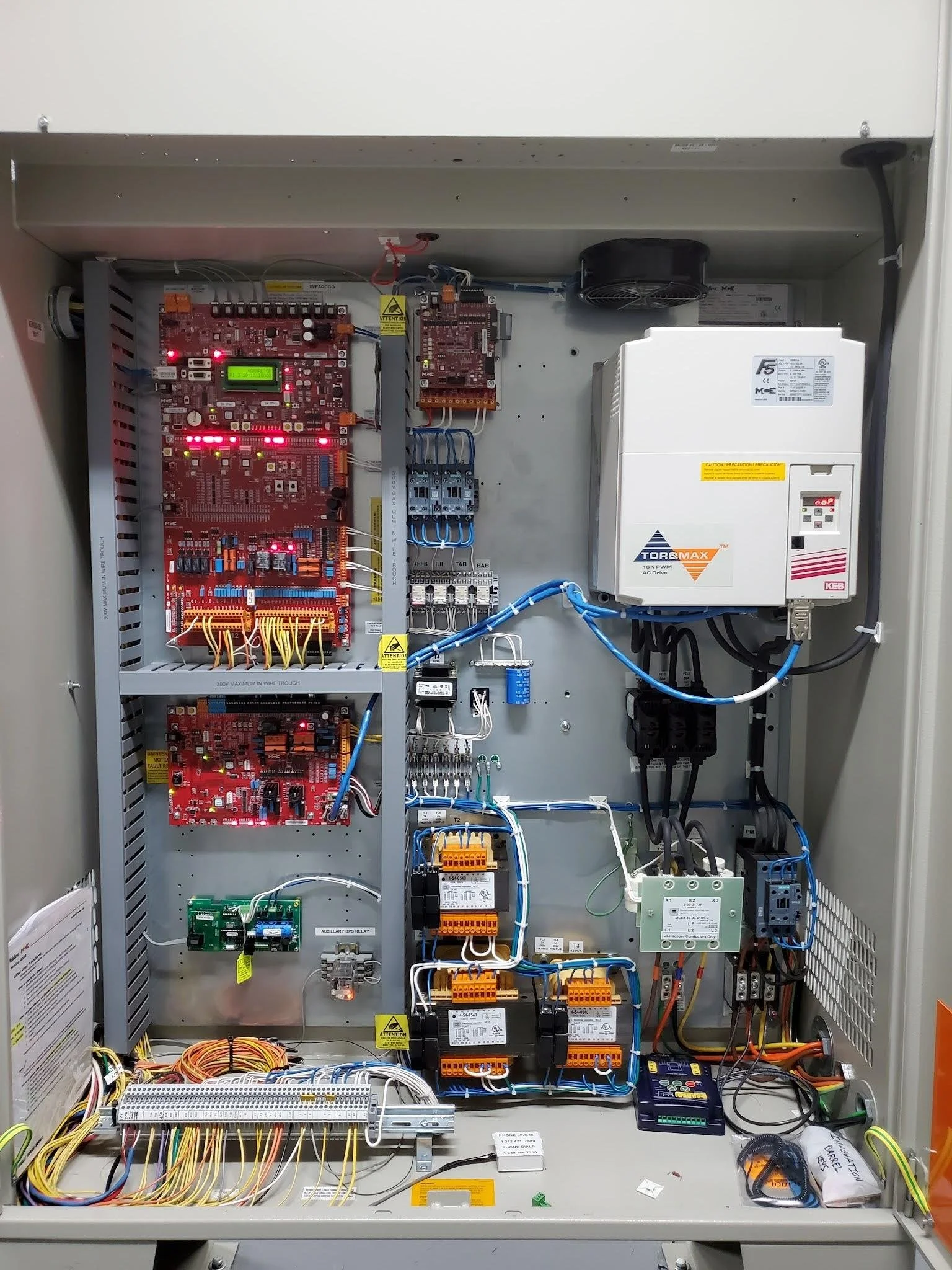
Providing rapid on-site support to resolve unexpected elevator failures and minimize service interruptions.
Describe iCommon Elevator Maintenance Services
Preventive maintenance
Elevator installation
Elevator modernization
Fault diagnosis and repair
Safety inspections
Door system repairs
Motor and controller servicing
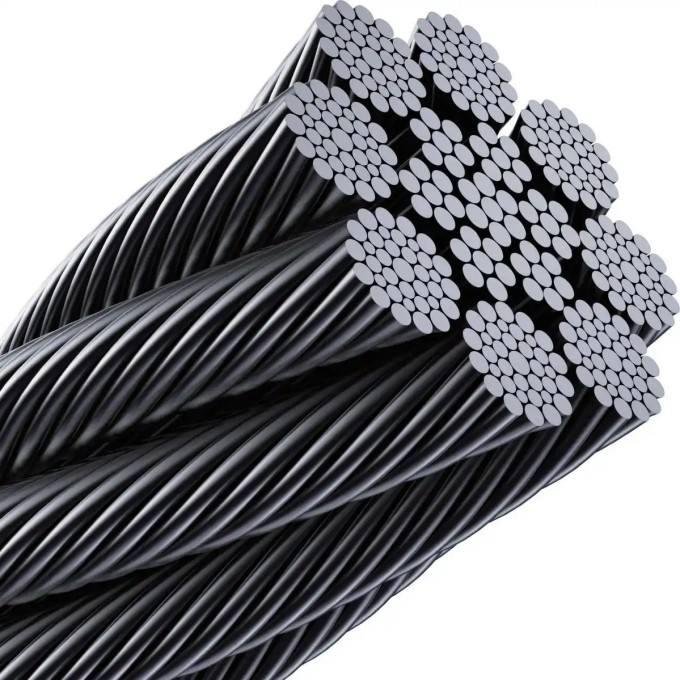
Rope inspection and replacement
Emergency breakdown service
Testing and commissioning important details like price, value, length of service, and why it’s unique. Or use these sections to showcase different key values of your products or services.
Reserve a Consultation Slot
Meet with a project specialist to evaluate requirements, explore feasibility, and establish next steps.
Explore more professional services


Built on Expertise and Integrity
Since inception, the organization has prioritized evidence-based methodologies that promote structural resilience and operational efficiency.
Follow Our Latest Projects
Initiate Your Project Consultation
Submit the form to outline objectives, timelines, and scope so a specialist can formulate a tailored proposal.